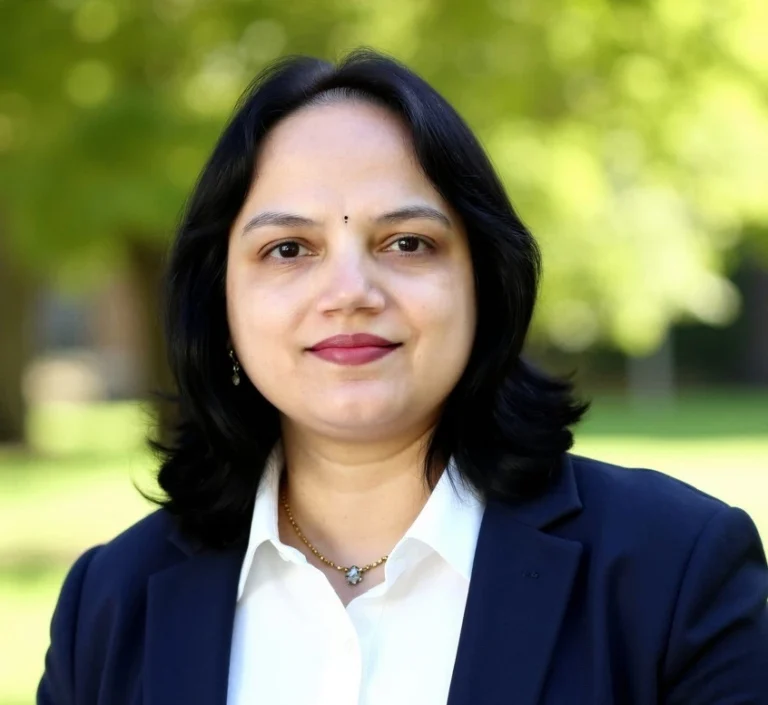
Shobha N V: Building the Future of the Built Environment Through Integrated Thinking and Innovation
With nearly three decades of experience across design, planning, real estate development, and project execution, Shobha N V has built her career around a clear purpose: creating developments that deliver lasting value. Her professional journey, shaped by years of association with leading developers in South India, has given her a deep understanding of the built environment, large-scale projects, and the many factors that contribute to successful development. Today, as CEO of Infinite Building Technologies, she brings together this experience with an entrepreneurial vision focused on technical excellence, innovation, and sustainable growth.
Her transition from professional leadership to entrepreneurship marked an important chapter in her career. Establishing Infinite Building Technologies allowed her to create an organization guided by her own values, develop technical capabilities, build a capable team, and deliver solutions that respond to changing industry needs. For Shobha, business growth is not simply about expanding operations. It is about creating an organization that combines professional expertise, responsible practices, and a clear understanding of client expectations.
At the heart of her approach is the belief that successful development requires an integrated perspective. Design, financial planning, technical feasibility, operational efficiency, and long-term value cannot be treated as separate considerations. They must work together to produce meaningful outcomes. This thinking continues to shape her leadership and the direction of Infinite Building Technologies.
Leadership Built on Integrity and Accountability
Shobha’s leadership philosophy rests on integrity, accountability, collaboration, and long-term thinking. She believes that effective leadership involves more than setting business goals or managing daily operations. It requires creating a shared direction, building trust, and giving people the confidence and responsibility to contribute to organizational success.
Her management approach places considerable importance on understanding how different business functions influence one another. In an industry where design decisions can affect project costs, technical requirements, delivery schedules, and long-term performance, she believes leaders must consider the wider picture before making important decisions. This ability to connect different perspectives helps create a stronger foundation for planning and execution.
She also believes that strong organizations are built through capable people. Rather than concentrating decision-making at the top, she encourages team members to take ownership, communicate openly, and contribute their ideas. In her view, the best leaders are not necessarily those who have all the answers, but those who bring out the best in the people around them.
Consistency, discipline, and sound judgement remain important elements of her approach. She values leaders who can make difficult decisions during uncertain situations while remaining committed to their principles. She also sees emotional intelligence as essential to effective management, particularly the ability to listen, understand different viewpoints, and bring people together around shared objectives.
For Shobha, organizational success is measured not only through business performance but also through the strength of the teams developed, the opportunities created for others, and the lasting value an organization contributes to its industry.
Making Innovation Practical and Purposeful
The built environment is changing as digital technologies, automation, artificial intelligence, and smart building solutions influence how projects are designed, developed, and managed. Shobha recognizes that these developments are creating new opportunities for businesses to improve efficiency, strengthen decision-making, and respond more effectively to client requirements.
At Infinite Building Technologies, her approach to innovation is centered on practical application. She encourages the team to question conventional methods, explore new ideas, and identify ways in which technology and improved processes can deliver better outcomes. However, she believes innovation must have a clear purpose. New tools and methods should address real challenges, support business objectives, and create measurable value rather than being adopted simply because they are available.
This perspective also influences how the organization responds to market changes. Shobha places importance on staying connected with customer expectations, industry developments, technological progress, and changing regulatory requirements. Regular evaluation of business priorities helps the organization identify areas where its capabilities need to evolve.
Collaboration is another important part of her innovation strategy. She believes that different skills and viewpoints often lead to stronger solutions. By encouraging cross-functional discussions, knowledge-sharing, and open communication, she aims to create an environment where employees feel comfortable contributing ideas and taking informed risks.
Her larger objective is to build an organization that remains flexible and responsive while maintaining the technical standards and professional discipline expected by clients.
From Professional Experience to Entrepreneurial Growth
One of the most defining experiences in Shobha’s career was her transition from working within established organisations to building her own enterprise. While her earlier professional roles provided valuable exposure to large developments and project execution, entrepreneurship brought an entirely different set of responsibilities.
Building Infinite Building Technologies required her to move beyond technical and professional expertise. She had to establish the organization’s vision, create processes, develop teams, identify business opportunities, and build credibility in a competitive market. Earning client confidence and creating a stable foundation for sustainable growth became important priorities.
The transition also demanded a broader understanding of financial management, business strategy, people development, and organizational planning. There were uncertainties to navigate and decisions that required careful consideration. Rather than allowing these challenges to limit progress, Shobha approached them as opportunities to learn and strengthen the business.
Her professional experience gave her a foundation, but entrepreneurship taught her the importance of adaptability and resilience. She came to recognize that building a successful company is not an individual achievement. It depends on creating a capable team, developing strong relationships, and maintaining a shared sense of purpose.
This experience continues to influence her approach to leadership. She values informed decision-making, constructive feedback, and the willingness to learn from setbacks. For her, resilience is not simply about continuing through difficult periods. It is about understanding what needs to change and having the conviction to move forward.
A Culture of Learning and Collaboration
Shobha considers continuous learning an essential part of professional growth. Nearly three decades of industry experience have strengthened her understanding of design, development, and project execution, but she remains aware that leadership requires constant development. Changing technologies, business expectations, and industry practices make it important for professionals to remain curious and open to new perspectives.
Throughout her career, she has valued the guidance of experienced professionals, industry peers, and mentors. She also believes that knowledge should be shared with the next generation. Encouraging young professionals to build their capabilities and take on greater responsibilities is an important part of her approach. She is particularly interested in supporting more women as they pursue leadership opportunities in the industry.
Her engagement with the Directors’ Institute and Institute of Directors also reflects her interest in strengthening her understanding of corporate governance, business strategy, and responsible leadership.
Within Infinite Building Technologies, she encourages a learning-oriented culture where employees can exchange knowledge, seek feedback, and improve their skills. She believes that people perform better when they feel trusted and supported. By allowing team members to learn from challenges and take responsibility for their work, she aims to create an environment that supports both individual development and organizational progress.
Shaping a More Sustainable Built Environment
Looking ahead, Shobha sees considerable opportunity in the transformation of the real estate and infrastructure sectors. Digital technologies, artificial intelligence, automation, and smart building solutions are expected to influence how spaces are planned, developed, and managed. At the same time, sustainability and resource efficiency are becoming increasingly important considerations for developers, businesses, and other stakeholders.
For Infinite Building Technologies, the future involves strengthening its capabilities, embracing relevant technologies, and delivering integrated solutions that respond to evolving client needs. Shobha wants the organization to remain agile and forward-looking while maintaining a strong focus on quality, financial discipline, and reliable execution.
She also believes the next phase of industry development must place greater importance on environmental responsibility. Commercial success and sustainable practices should support one another rather than compete. Decisions made during planning and development can influence resource consumption, operational efficiency, and the long-term performance of buildings. A more responsible approach to these decisions can create value well beyond the completion of individual projects.
Her vision also includes developing stronger leadership within the organization and creating opportunities for emerging talent. She sees the growth of young professionals as an important part of building a capable and adaptable business.
Creating Value Beyond Business Performance
Shobha’s understanding of leadership extends beyond financial and operational results. She believes businesses have a responsibility to create value for their employees, clients, industry partners, and the wider community. In the built environment, this responsibility carries particular importance because developments influence how people live, work, and interact with the spaces around them.
Her emphasis on integrated thinking reflects this wider perspective. When technical expertise, responsible planning, business discipline, and stakeholder expectations are considered together, projects can deliver more meaningful long-term outcomes.
She also wants her professional journey to encourage others, particularly women entering traditionally demanding areas of real estate, design, and infrastructure. Her experience of moving from established professional roles into entrepreneurship demonstrates the value of preparation, confidence, and the willingness to take responsibility for new challenges.
Her advice to emerging leaders is to build strong professional foundations, remain curious, seek mentorship, and develop the confidence to create opportunities rather than wait for them. She believes integrity, resilience, accountability, and collaboration are qualities that remain valuable regardless of how industries or technologies change.
As CEO of Infinite Building Technologies, Shobha N V continues to focus on building an organization that combines experience with new thinking. Her journey reflects a steady commitment to professional excellence, responsible growth, and people development. As the built environment enters a period of significant change, her vision remains centered on creating practical solutions, stronger teams, and lasting value for the future.
About Us
The CXO Time Magazine is one of the leading global platforms for leaders and entrepreneurs to showcase their stories.
Reach us: info@thecxotime.com