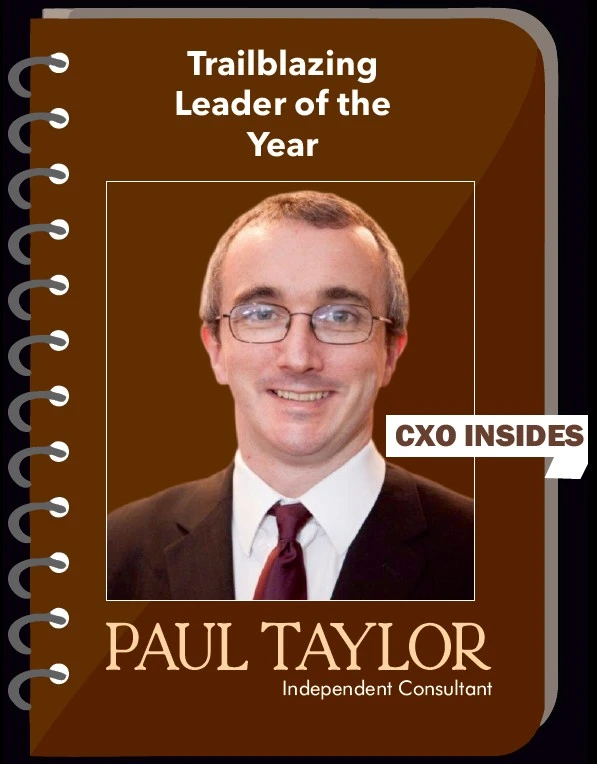
Paul Taylor: Building Ethical Leadership in a World That Never Stands Still
Paul Taylor’s professional journey reflects a steady belief that meaningful leadership is built through experience, learning, and a strong sense of responsibility toward people. Over several decades, he has navigated the evolving worlds of technology, finance, education, and governance with a consistent focus on integrity, adaptability, and ethical decision-making. His career offers a clear example of how leadership can remain relevant in a world defined by constant change.
A Career Shaped by Curiosity and Early Exposure
Taylor began his career in 1988 at a well-known private bank in the United Kingdom, joining its Information Technology department at a time when digital systems were only beginning to reshape financial services. The bank’s relatively small size proved to be an advantage. Its wide range of services allowed him to gain exposure to multiple business areas, technologies, and working styles. This early experience helped him understand how systems, people, and decisions are closely connected inside real organisations, laying a foundation built on curiosity and practical learning rather than narrow specialisation.
Rising Through Financial Services and Technology Leadership
Over the next two decades, Taylor worked across several financial services firms, gradually taking on roles with increasing responsibility. His career progression eventually led him to become Head of Software Development for a large bank’s European outsourcing subsidiary. The position required him to balance technical oversight with leadership across complex teams, suppliers, and stakeholders. During this phase, he developed a deeper understanding of the human side of technology-led change, recognising that successful outcomes depend as much on people and communication as they do on systems and processes.
Taking the Leap Into Freelancing
Although freelancing had long been on his mind, Taylor approached the idea with caution. Questions around job security, steady work, and fair compensation created hesitation. In 2007, he decided to take the leap. The move marked a significant turning point, offering greater independence while demanding greater personal accountability. He began working as a freelance project manager across financial services, delivering projects that ranged from outsourcing programmes and regulatory change to product launches, technology upgrades, and interim management roles. Each assignment added to his understanding of how organisations respond to pressure and transformation.
The Power of a Portfolio Career
As his confidence grew, Taylor transitioned into a portfolio career, choosing variety and balance over a single fixed role. Today, his work spans consultancy and project management, chair and trustee positions, non-executive and board advisory roles, education and teaching, conference speaking and hosting, and writing. He has authored five books and regularly contributes articles that explore leadership, governance, and organisational change. Alongside this, he mentors individuals on a one-to-one basis, supporting them as they navigate complex career decisions and leadership challenges, while continuing to learn through those conversations himself.
Ethical Leadership at the Core
At the centre of Taylor’s leadership philosophy is a strong commitment to ethical leadership, which he defines as trying to do the right thing for all stakeholders. This includes customers, employees, suppliers, communities, and shareholders. He openly acknowledges that this balance is not always easy to achieve. Decisions often affect different groups in different ways. His approach involves carefully understanding these impacts and managing change with honesty, fairness, and trust. Clear communication and transparency play a vital role in maintaining credibility, especially during times of uncertainty.
Lessons Learned From Real-World Challenges
Throughout his career, Taylor has faced challenges that shaped his leadership style. Managing difficult personalities reinforced the importance of strong people skills and emotional awareness. He has also worked in areas where he did not initially have full technical or regulatory knowledge, particularly in fast-changing fields. Rather than avoiding these situations, he addressed them through learning, training, research, and open discussions with experts. He believes that admitting gaps in knowledge builds trust rather than weakening authority. Managing workloads has been another ongoing challenge, particularly within a portfolio career, making time management essential for maintaining quality and avoiding burnout. As a freelancer, he has also learned that securing work requires constant visibility through networking, thought leadership, and professional engagement.
What Defines Strong and Lasting Leadership
Taylor believes that continuous learning is one of the most important traits of strong leaders. In a world shaped by rapid change, staying current is essential. He also stresses the importance of delivering consistent value to clients, regardless of their size or complexity. Without clients, organisations and independent professionals cannot thrive. Equally important is remembering the human side of leadership. Understanding motivation, pressure, and emotion allows leaders to respond with empathy and clarity. He firmly believes that being respectful and approachable is not a weakness, but a lasting strength, and that decent people can and do succeed.
Creating Cultures of Innovation, Trust, and Resilience
Innovation, in Taylor’s view, flourishes in environments where people feel safe. When individuals are not afraid of blame, they are more willing to experiment, share ideas, and challenge assumptions. Collaboration is strengthened through open communication, inclusive decision-making, and shared problem-solving. Resilience is built by encouraging a growth mindset, supporting well-being, and treating challenges as opportunities to learn rather than failures to punish.
The Role of Mentorship and Lifelong Learning
Mentorship has played an important role throughout Taylor’s journey. He has benefited from mentors who provided perspective and guidance during complex situations. In turn, he has mentored around 30 individuals over the past decade. He finds the process deeply rewarding, as it allows for shared learning and reflection. Working through problems together often leads to insights for both mentor and mentee, reinforcing the value of continuous development.
A Vision Focused on Trust, Adaptability, and People
Looking ahead, Taylor is driven by the desire to help build organisations that are both high-performing and trustworthy. Through advisory and board roles, he focuses on strengthening leadership clarity, ethical decision-making, and cultures that empower people to learn, challenge ideas, and innovate. His long-term aim is to leave behind stronger leaders, resilient systems, and workplaces where individuals feel supported, challenged, and confident in their ability to navigate change.
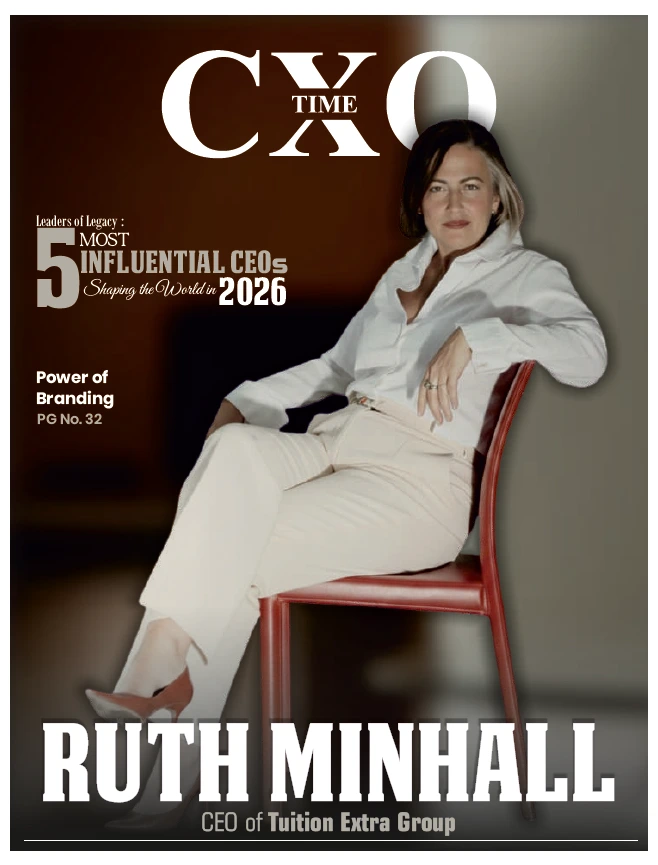
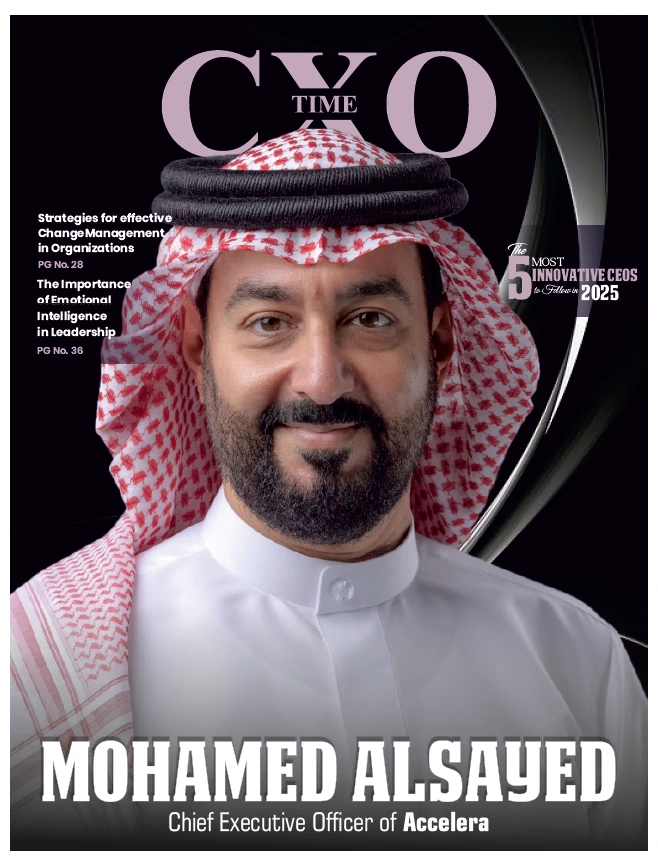
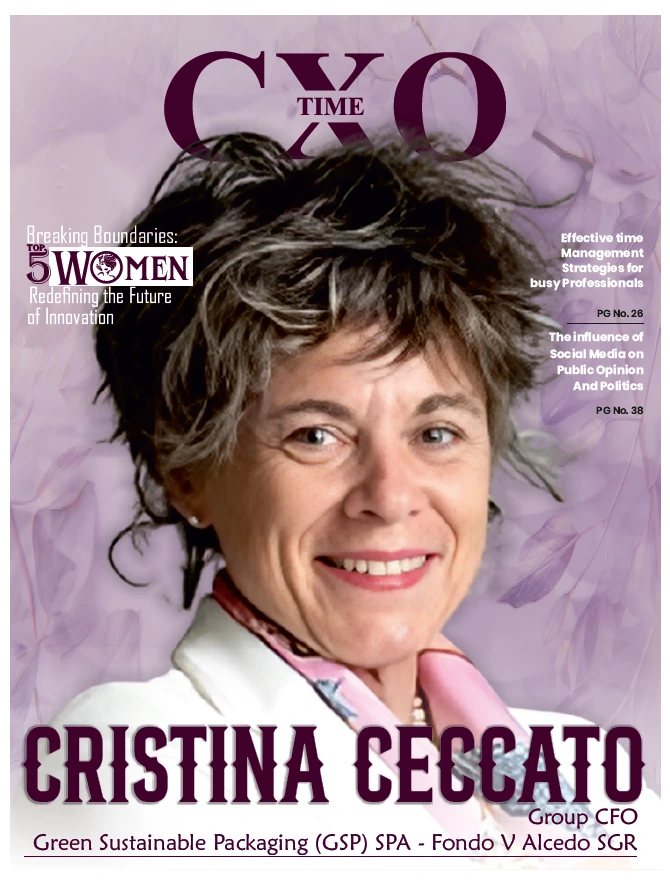
The CXO Time Magazine is one of the leading global platforms for leaders and entrepreneurs to showcase their stories.


About Us
The CXO Time Magazine is one of the leading global platforms for leaders and entrepreneurs to showcase their stories.
Reach us: info@thecxotime.com